
A Friendly Match, a Permanent Ban: Where PUBG's Governance Ledger Demanded a Thirteenth Column
**সারসংক্ষেপ:** ভিয়েতনামি দুই PUBG খেলোয়াড় হিমাস ও তানভুউকে একটি "বন্ধুত্বপূর্ণ ম্যাচ"-এ স্ট্রিম স্নাইপিংয়ের অভিযোগে চিরতরে নিষিদ্ধ করেছে কোরিয়ান পাবলিশার KRAFTON; চীনা ও ভিয়েতনামি ফ্যানরা এটিকে অসম ও খামখেয়ালি বলছেন, আর কোরিয়ান খেলোয়াড় সুপির বিরুদ্ধে পাল্টা প্রতারণার অভিযোগ উঠেছে। **মূল তথ্য:** - চীনা ফ্যানরা হিমাস ও তানভুউয়ের পাশে দাঁড়িয়েছে, সুপির বিরুদ্ধে পাল্টা অভিযোগ তুলেছে। - অভিযুক্ত ম্যাচটি ছিল এশিয়ান এক্সচেঞ্জ টুর্নামেন্টের বন্ধুত্বপূর্ণ ম্যাচ, প্রতিযোগিতামূলক গুরুত্ব কম। - ডিএনএস-এর গিউমিনের বিরুদ্ধে অফিসিয়াল ডোমেস্টিক সিজনজুড়ে স্ট্রিম স্নাইপিংয়ের অভিযোগ, শাস্তির খবর নেই। - সুপি নিজেই বলেছেন, স্ট্রিমিংয়ের জন্য তিনি একটিমাত্র মনিটর ব্যবহার করেন। - কাচে পড়া প্রতিফলন সুপির বিরুদ্ধে প্রতারণার প্রমাণ নয় বলে রিপোর্টেই উল্লেখ আছে। **সূত্র ও তারিখ:** মূল সূত্র পাবলিক Esports কমিউনিটি প্রতিবেদন (হুপু ফোরাম ও ভিয়েতনামি সোশ্যাল মিডিয়া আলোচনা)। উৎসে ঘটনার তারিখ শুধু "২৪/৯" হিসেবে উল্লেখ করা হয়েছে; সঠিক বছর যাচাই করা যায়নি। **সম্ভাব্য Next প্রশ্ন:** প্রশ্ন: KRAFTON কি নিষেধাজ্ঞার নিয়ম ও প্রমাণ প্রকাশ করেছে? উত্তর: না, প্রকাশ্য নিয়মপত্র বা এভিডেন্স ফাইল এখনো পাওয়া যায়নি। প্রশ্ন: এই ঘটনা ভিয়েতনামের PUBG সার্কিটে কী প্রভাব ফেলতে পারে? উত্তর: নিষেধাজ্ঞা বহাল থাকলে ভিয়েতনামি প্রতিভা-ক্ষরণ দীর্ঘমেয়াদি ঝুঁকি তৈরি করবে। প্রশ্ন: সুপির বিরুদ্ধে অভিযোগ কতটা যাচাইিত? উত্তর: অভিযোগটি ফ্যান-অনুমানভিত্তিক, আদালতসুলভ কোনো রায় এখনো হয়নি।
What landed on my desk the night before September 24 was not a patch note and not a roster move — it was a pair of account-lock notices. Two Vietnamese PUBG players, Himass and TanVuu, were permanently banned over a stream-sniping accusation arising from a "friendly match" at an Asian exchange tournament. In the same news cycle, a section of Chinese fans turned their fire on a Korean player, Soopi, while a fan posting from Chengdu wrote that the publisher was being "too arbitrary." Two bans, one counter-accusation, thousands of comments — and no published rulebook, no evidence file, no named appeals panel.
The notebook had twelve columns. The story kept demanding a thirteenth, and its name fits in one word: proportionality. The gap between the size of the offence and the size of the punishment never shows up on a scoreboard, yet that gap is the real result here. Empty stadiums taught me that silence has a box score — and in this case the loudest entry in the ledger is the publisher's own silence.
Context: why stream sniping hits differently in a battle royale
PUBG is a battle royale title published by KRAFTON in Korea. Its structure differs enormously from round-based shooters and MOBAs: matches run twenty-five to thirty minutes, maps are open, dozens of squads share the lobby, and many competitors stream their own gameplay live. The opportunity surface for learning an opponent's position, rotation or team movement is therefore wider than in any other format. Stream sniping here is not a patch-driven problem; it is a format-inherent integrity risk.
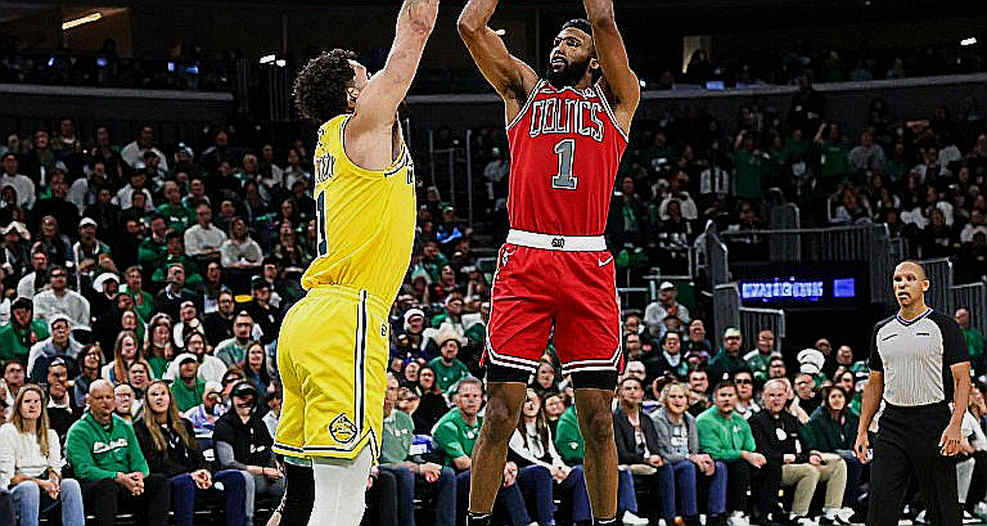
The event in question is identified only as an "Asian exchange tournament" — in most circuits, a goodwill or exhibition category carrying lower competitive weight. Alongside it, the reporting refers to an "official domestic season," where a DNS player named Gyumin is alleged to have stream-sniped throughout, with no reported punishment anywhere. Those two tiers sitting side by side is the flashpoint.
The cast is small. Himass appears to be the highest-value asset: his team AG.AL is said to have won a world esports championship in Paris. TanVuu is the second banned player. Soopi is a Korean player who says he uses a single monitor "to work as a streamer." Gyumin enters the story only as a comparison case. Discussion spread across China's Hupu forum and Vietnamese social media.
My own position matters here. In 2026 I worked on the Bangladeshi PUBG Mobile casting scene as TimeBurner, producing team-interview content, and I have sat in the backstage of scrims and qualifiers where the public argument is loud and the paper trail is thin. Building a twelve-column shot sheet in 2026 and hand-logging eighty-one Bundesliga matches behind closed doors in 2026 taught me one habit: look for the column behind the claim, and if there is no column, call the claim a claim.
Core analysis: three legs, three fractures
Leg one — proportionality. An exhibition match carries light competitive stakes, so expectations of integrity enforcement are naturally calibrated to that weight. Jumping straight from there to a permanent ban — functionally a forced retirement — skips several stairs. Football does not permanently ban players for a friendly-match brawl; federations weigh the event's significance, the history of repetition, and the harm done. None of those three scales has been shown publicly here. The severity does not just end a player's career — it inflates the rumour around the decision, because silent harshness breeds more suspicion than openly justified harshness ever does.
For Himass the cost is doubled. If his team genuinely won a world-level title, the ban removes not one person but a roster's asset, a contract's value, and a tournament's competitive balance. In ownership language, that is championship-grade capital destroyed. In fan language, it is injustice. Both are true, and neither has been accounted for.
Leg two — consistency. Fans allege that Gyumin stream-sniped across an entire official domestic season, while Himass and TanVuu did so in a single friendly. Same offence, different event tier, different outcome. I am choosing words deliberately: I am not treating the Gyumin allegation as established fact, because no adjudication document is public — but consistency is a publisher's most valuable asset, and it is the asset most at risk right now. An unproven allegation can be false; an unpublished outcome keeps it alive.
Leg three — transparency. KRAFTON is simultaneously rule-maker, event organiser and commercial stakeholder. It is judging a breach at its own event under its own rules, with no independent arbitration layer beneath it. That is not a conspiracy, it is architecture. Trouble arrives when the reasoning — rule text, evidence, panel composition — never surfaces. The decision then reads as arbitrary to supporters, and once that word travels, quoting the rulebook rarely repairs it, because people are judging the balance of power, not the clause.
The thirteenth column
My twelve columns hold shots, distances, assists, minutes. The thirteenth holds what a person actually pays. An account lock means a built audience, viewership numbers, sponsor conversations and contract security all hanging in the air at once. In smaller South Asian circuits, where income is a blend of streaming and prize money, even a one-year suspension can break a household budget. Talk of a permanent ban stops being a sports question and becomes a livelihood question.
A subtler shift is also visible: the boundary between streamer and professional player is blurring. Soopi describes his own work as streaming, and some fans argue streamer followings now outpace professional players'. If even partly true, the economic incentive inside PUBG is rotating — the path of not competing is becoming more lucrative. When integrity accusations and a labour-market repricing land in the same week, governance decisions need far more explanation than usual.
The investor-confidence theme surfaced too: what would backers "spending millions of USD" think, and who invests in a tournament where a small incident collapses everything. That is fan argumentation, not verified financial data — but it is a genuine market-sentiment signal, because the question being raised is not about severity, it is about predictability. Investors price uncertainty, not morality.
Contrarian angle: glass reflections and missing statements
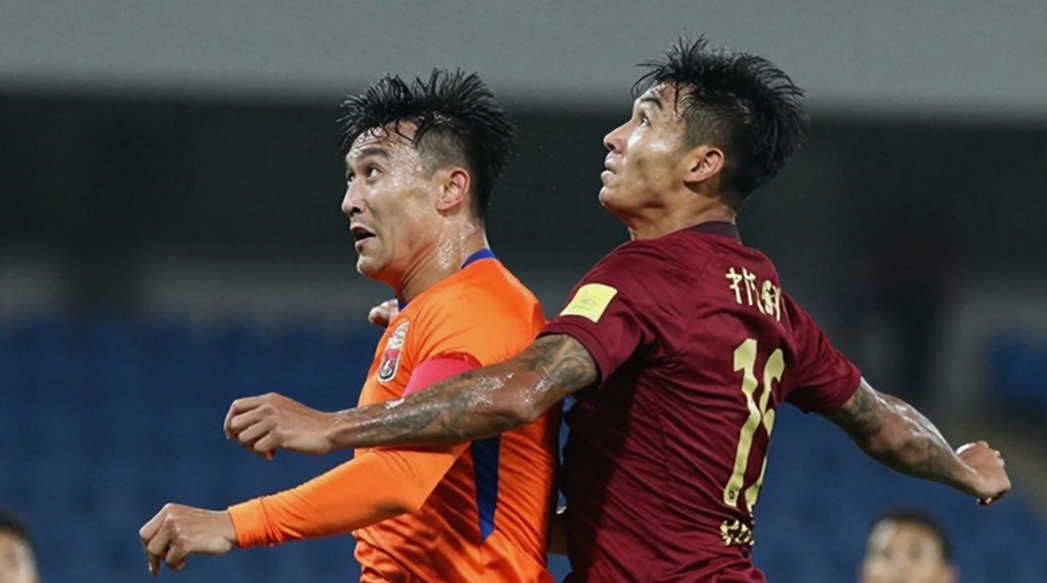
The counter-accusation against Soopi rests on images reflected in glass — and the source material itself states that reflection is not proof that Soopi cheated. The claim circulating hardest is an inference, not an adjudication.
Likewise, the "world esports championship in Paris" does not map cleanly to any widely recognised PUBG world final; PUBG's flagship is the Global Championship, and multi-title events typically run through Riyadh. The win may be real, but it is unverified. The "millions of USD" figure is unattributed. An unsourced number merely puts a suit on a weak argument; it does not make the argument credible.
The more counter-intuitive point: the problem is not whether this ban is too harsh. The problem is that nobody knows which rule produced it. When the rulebook is invisible, both sides are disarmed — fans cannot show evidence, and the publisher cannot defend its own ruling. Debate then slides from facts to region and identity, which is precisely where a "Korean publisher is arbitrary" frame gains strength. I trust a trend only after it survives a pivot table and a press box; here neither exists, only heat.
Takeaway: what to watch over the next two to four weeks
Signal one — a formal KRAFTON statement. If it publishes the rule basis, the evidence and the panel structure, the arbitrariness narrative fades quickly. If it stays silent, that narrative sets deeper. My own benchmark: no explanation within four weeks, and the trust damage becomes irreversible.
Signal two — the status of the Gyumin/DNS case. One public line, sanction or no sanction, settles half of the consistency argument by itself.
Signal three — appeal and return. If the permanent bans stand, talent erosion enters Vietnam's circuit as a long-term line item, and no community has the power to correct that.
My twelve columns fail here. The thirteenth stays blank, because the only thing that belongs in it is a question: when an institution can end a career over a friendly match without publishing the rule it applied, what exactly is an investor buying?